Black
Black Blue
Blue Brown
Brown Gray
Gray Green
Green Neutral
 Orange
 White
White Yellow
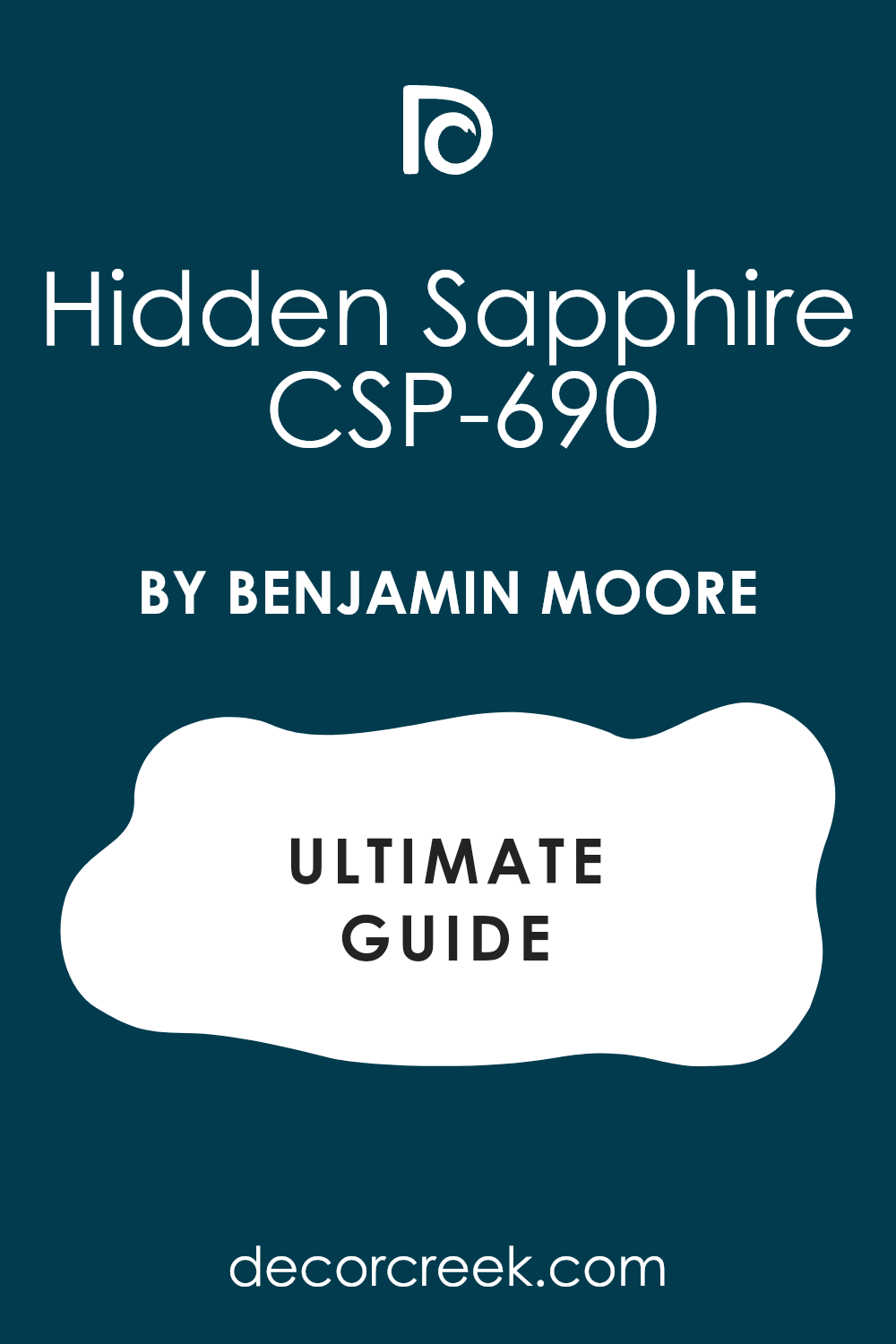
When you first see CSP-690 Hidden Sapphire by Benjamin Moore, you might think it’s just another blue paint. But give it a chance under different lighting, and you’ll notice it’s much more. This shade isn’t simply blue; it’s a thoughtful hue that holds a blend of mystery and calm, perfect for creating a calm yet intriguing area. Its flexibility makes it a favorite for not only bedrooms and bathrooms but also for areas like living rooms or studies where you spend a lot of time and want a color that doesn’t overpower.
You may find that Hidden Sapphire offers a sense of depth that many other blues lack. It reflects light in a way that adds dimension and character to your walls. Whether you’re redoing a single room or refreshing your entire home, this color has the potential to tie different designs and elements together smoothly.
It works beautifully with light, neutral furnishings or can be a dramatic backdrop for vibrant, bold decor accents. Choosing the right paint can be a subtle yet powerful decision.
With CSP-690 Hidden Sapphire, you’re selecting a color that is both peaceful and rich, a choice that promises to enhance your living area thoughtfully and elegantly.
What Color Is Hidden Sapphire CSP-690 by Benjamin Moore?
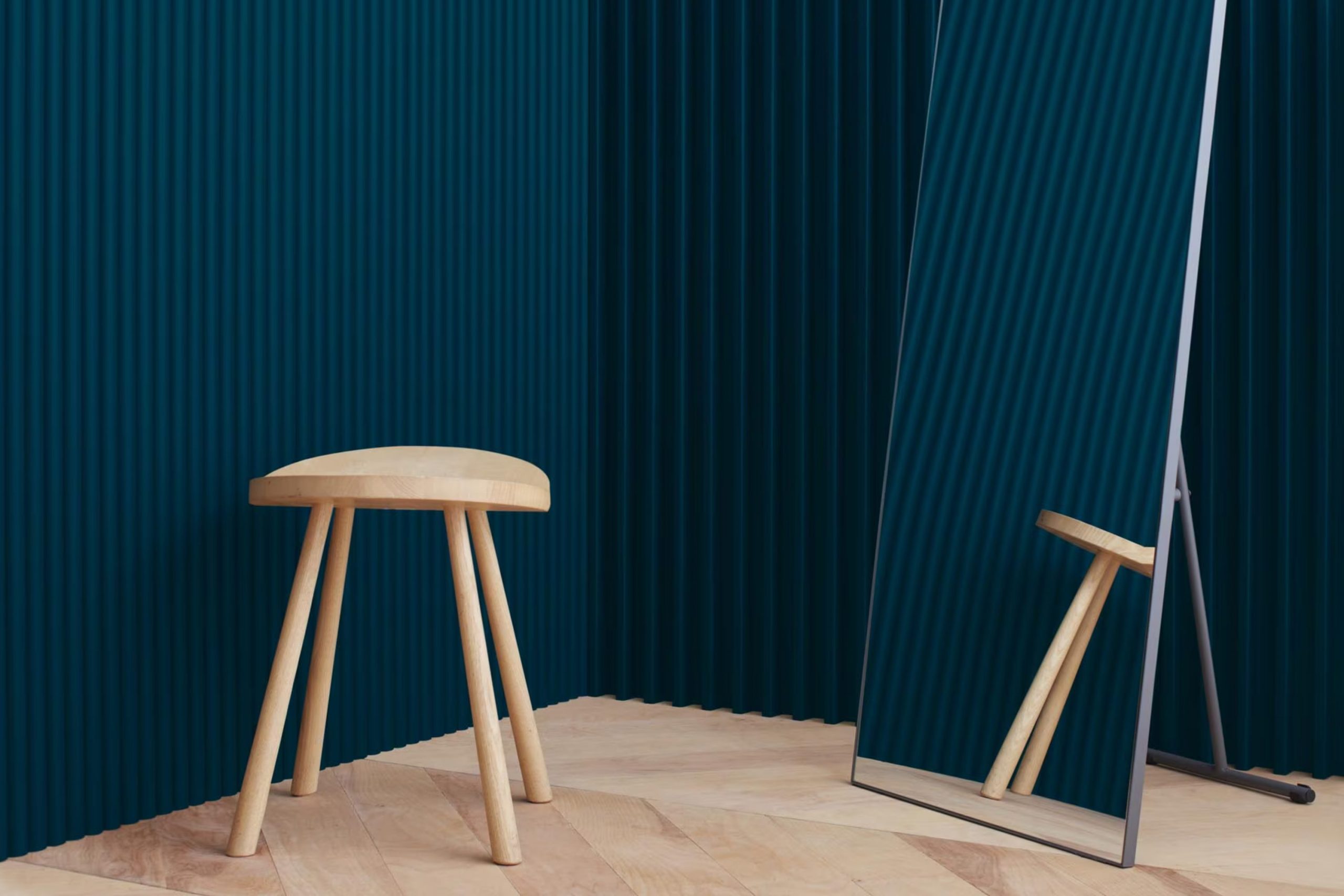
Hidden Sapphire by Benjamin Moore is a deep, rich blue color that adds a bold and cozy feel to any room. This shade is perfect for creating a striking accent wall or for use on cabinets in a kitchen or bathroom. It possesses a classic elegance that can work beautifully in a variety of interior styles, particularly in modern, coastal, and traditional settings.
For a modern look, pair Hidden Sapphire with sleek materials like glass and polished metals. In coastal-inspired interiors, it works well with light woods and sandy tones to bring out a fresh, nautical vibe. When aiming for a traditional feel, combine it with rich textures like velvet or leather and heavier furnishings to complement the depth of the color.
The flexibility of Hidden Sapphire means it also pairs effectively with various fabrics and finishes. Linen curtains or a woolen throw in neutral shades can balance its intensity, while hints of mustard or burnt orange in accessories can draw out its depth. This color thrives with natural light, enhancing its dynamic qualities throughout the day.
Whether used as a focal point or a background shade, Hidden Sapphire is a superb choice for adding personality and warmth to an area.
Is Hidden Sapphire CSP-690 by Benjamin Moore Warm or Cool color?
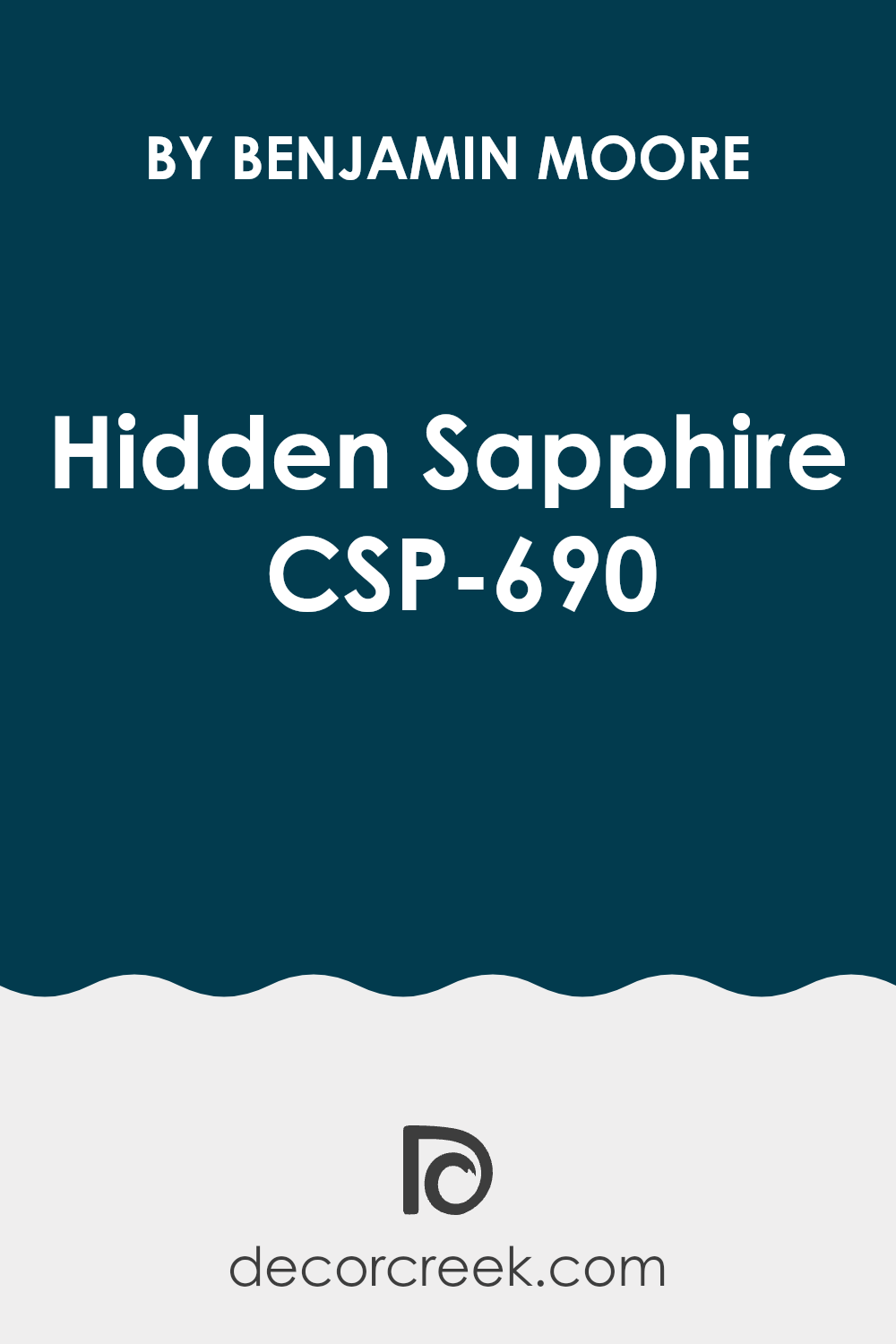
Hidden Sapphire CSP-690 by Benjamin Moore is a bold and vibrant blue paint color that adds a pop of personality to any room. When used in a home, this color can make areas really stand out. It’s particularly effective in creating a focal point, whether on an accent wall or for painting a piece of furniture.
Because of its depth, it pairs well with lighter shades like whites or grays, which help balance its intensity and prevent it from making the area feel too much. Also, Hidden Sapphire can make a room feel more cozy and inviting, despite its boldness.
Since it’s such a strong color, it works best in areas where you want to add some energy or a touch of drama, like dining rooms or reading nooks. When it comes to lighting, this color looks striking under natural light but can also look very elegant when paired with warm artificial lights. Overall, it’s a fun and dynamic choice for anyone looking to add a bit of color to their home.
Undertones of Hidden Sapphire CSP-690 by Benjamin Moore
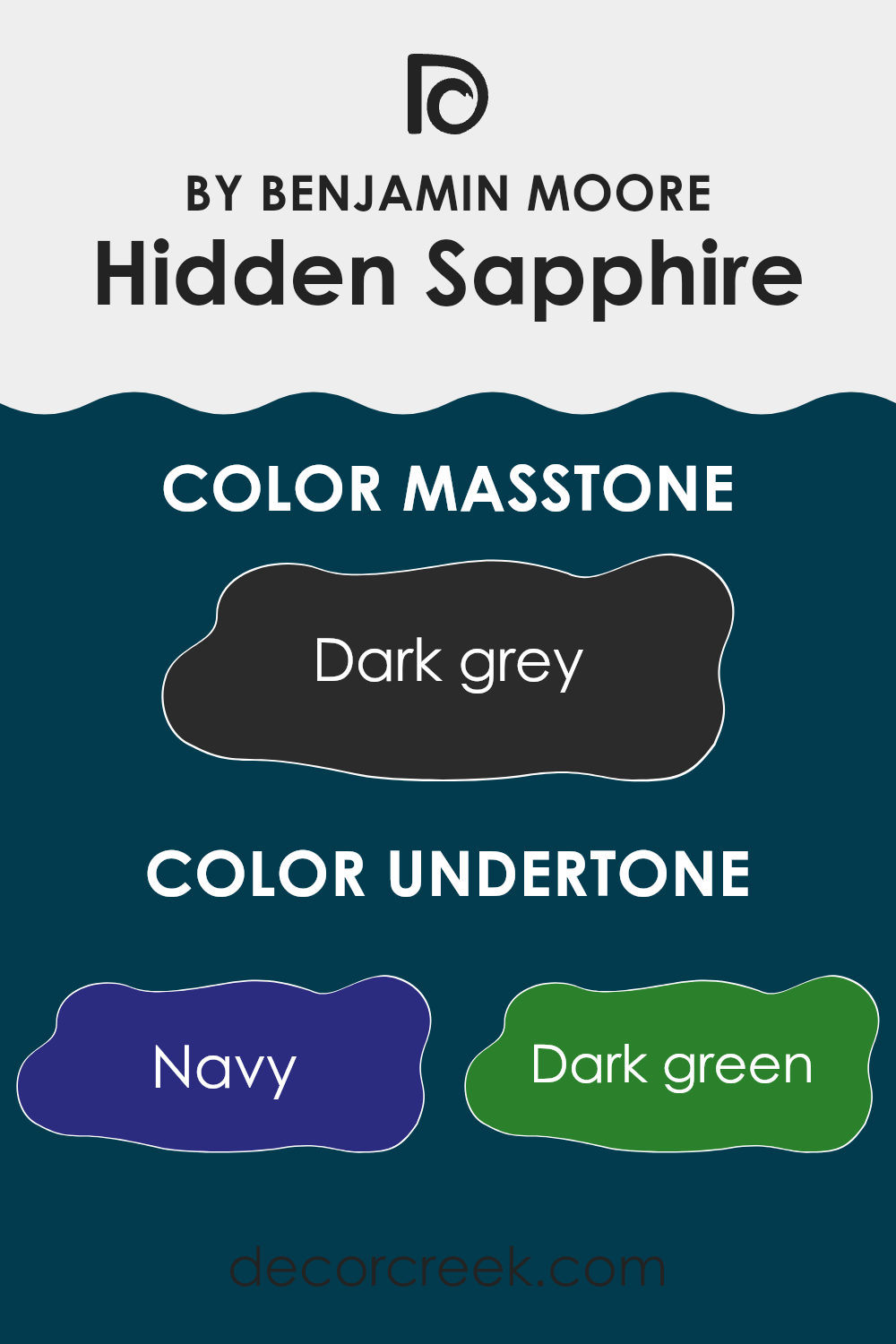
Hidden Sapphire by Benjamin Moore is a striking color with a depth that holds numerous undertones. These undertones include shades like navy, dark green, dark turquoise, brown, purple, olive, and grey. Each of these undertones can subtly influence the main color, affecting how it looks in different lighting conditions and when paired with other colors.
For instance, navy and dark turquoise can give a cool tone to the color, making it appear more vibrant in a well-lit room. On the other hand, the brown and olive undertones can make the paint look warmer and more welcoming in areas with less natural light. Purple undertones add a hint of richness and depth that can make the wall stand out, providing a unique character to the room.
When used on interior walls, the variety of undertones in Hidden Sapphire can make the wall an appealing focal point or a subtle background, depending on what it’s paired with. In natural light, the cooler undertones might be more noticeable, making the room feel fresh and lively. In artificial light, warmer undertones might come through, providing a cozy atmosphere. This flexibility makes it a great choice for various rooms, adjusting subtly to different settings and decor styles, thus changing the perception and mood of the area.
What is the Masstone of the Hidden Sapphire CSP-690 by Benjamin Moore?
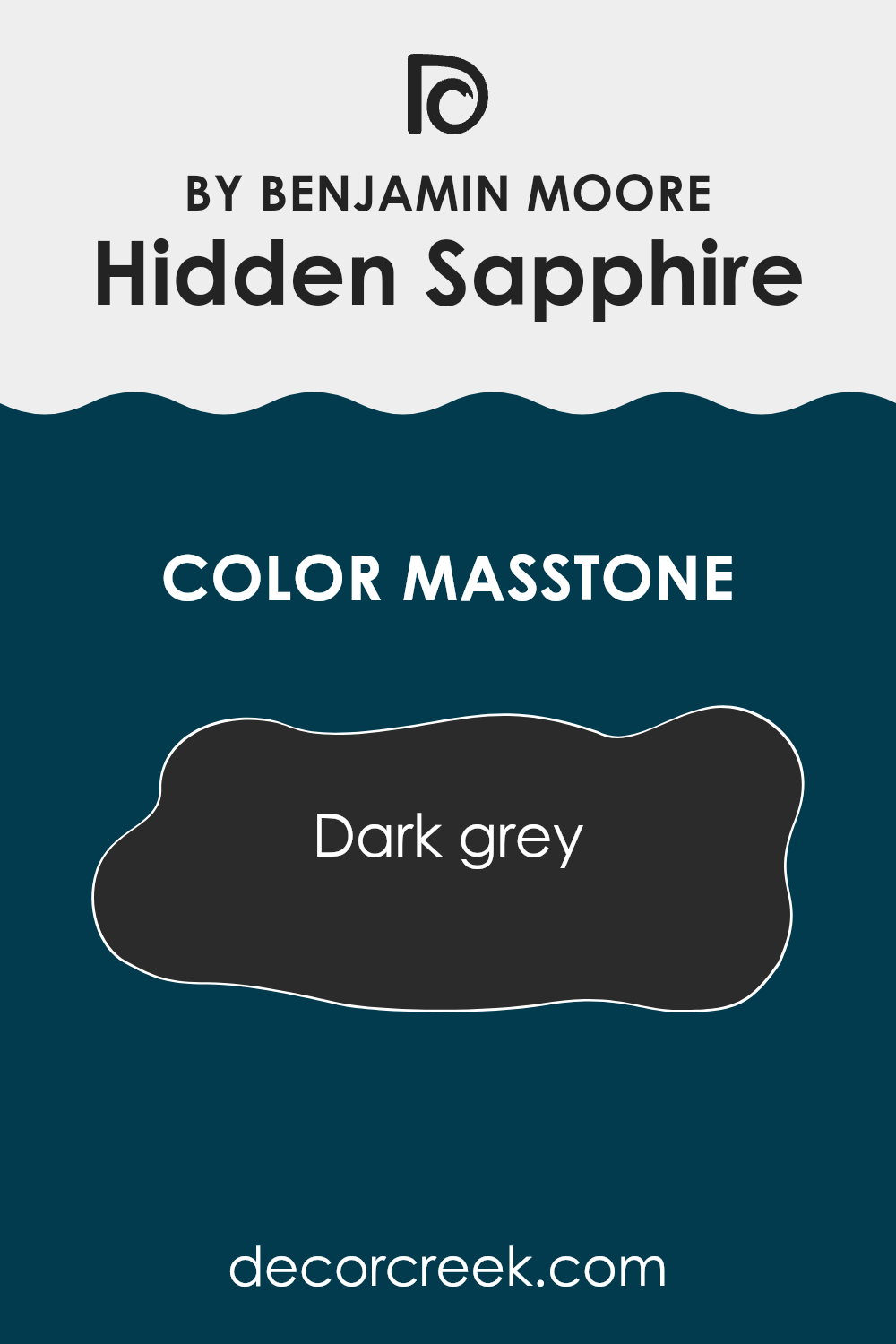
Hidden Sapphire CSP-690 by Benjamin Moore is a color that appears as a dark grey (#2B2B2B). When used in homes, this shade can create a strong and grounding atmosphere. Since it is quite deep and muted, it works well in areas where you want to establish a sense of stability and strength.
This dark grey can make other colors in a room, such as whites or bright colors, stand out more, giving a nice contrast that can make the area more visually interesting. In rooms with lots of natural light, Hidden Sapphire can look a bit softer, which can help in making the area feel more welcoming.
Conversely, in areas with less light, it tends to appear stronger and more prominent, which is great for creating a focal point or accent walls. It pairs well with a variety of textures and materials like wood, metal, and glass, offering flexibility in design choices. Overall, its flexibility and strong presence make it a practical choice for many homes.
How Does Lighting Affect Hidden Sapphire CSP-690 by Benjamin Moore?
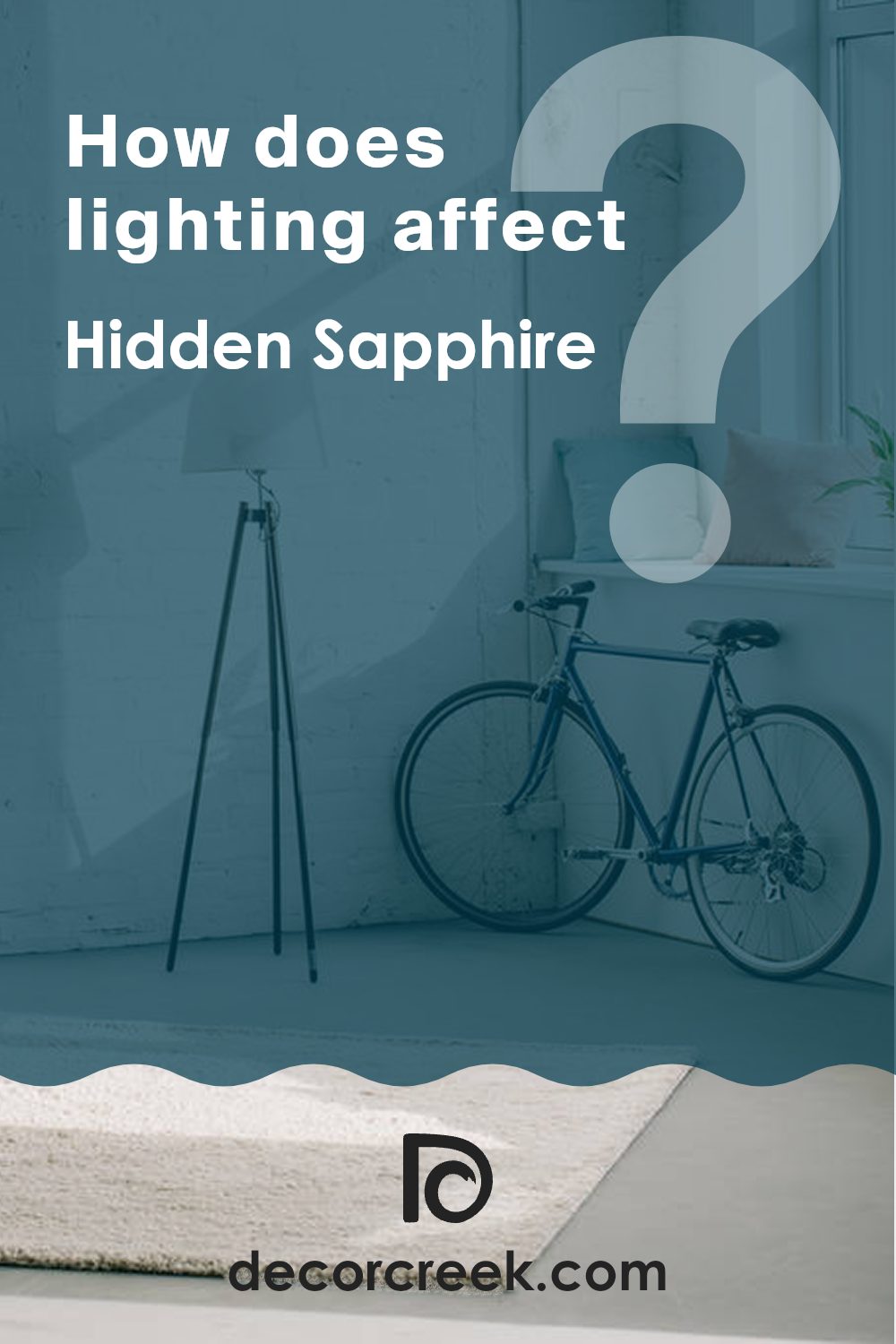
Lighting plays a crucial role in how colors appear in a room, and this effect can be seen with the color Hidden Sapphire by Benjamin Moore. This deep, rich blue has variations in its appearance that change depending on the type of light and the direction of the room.
In natural light, Hidden Sapphire can look bright and vivid. The intensity of the blue increases during the day as the sunlight shifts. For artificial lighting, the type of light bulb matters: LED bulbs might give a cooler tone, while incandescent bulbs can warm it up, making the blue appear slightly greener.
The orientation of the room also affects how Hidden Sapphire looks:
- North-facing rooms: These rooms often don’t get a lot of direct sunlight, which can make Hidden Sapphire appear darker and more subdued. This could give the room a cosier feeling, though it might also need good interior lighting to prevent it from feeling too dim.
- South-facing rooms: These rooms receive abundant light for most of the day, which can brighten the appearance of Hidden Sapphire, making it look lively and dynamic. This is ideal for anyone wanting to make a room feel airy and vibrant.
- East-facing rooms: In these rooms, the color will catch the morning sun, creating a bright and cheerful blue in the mornings that transitions to a softer, darker shade as the day progresses. This dynamic change can add an interesting element to the room.
- West-facing rooms: Here, the color gets softer morning light but intense light in the late afternoon. This means the blue will appear softer earlier and become strikingly bold by evening, perfect for areas used mainly in the afternoon or evening.
Understanding these effects can help you decide the best use of Hidden Sapphire in your area to achieve the mood and style you are aiming for.
What is the LRV of Hidden Sapphire CSP-690 by Benjamin Moore?
LRV stands for Light Reflectance Value, which is a measure of the amount of visible and usable light that a color reflects when illuminated by a light source. This value is expressed in percentages, indicating how bright or dark a color will appear when painted on a wall.
A higher LRV means that the color reflects more light, making it appear lighter, and is often used to make areas feel larger and more open. A lower LRV means that the color absorbs more light, which can make an area feel cozier or smaller, but also richer and more full of depth.
With an LRV of 6.21, Hidden Sapphire is a darker shade, meaning it tends to absorb more light than it reflects. This characteristic will make the color appear deeper and more intense when applied to walls, especially in areas with limited light.
In brightly lit rooms, this color can provide a stunning contrast to lighter colors, creating a striking effect. However, in dimly lit areas, it may make the room feel smaller or more enclosed. When using a color like Hidden Sapphire, lighting and the size of the room become crucial elements to consider to achieve the desired ambiance and visual impact.

Coordinating Colors of Hidden Sapphire CSP-690 by Benjamin Moore
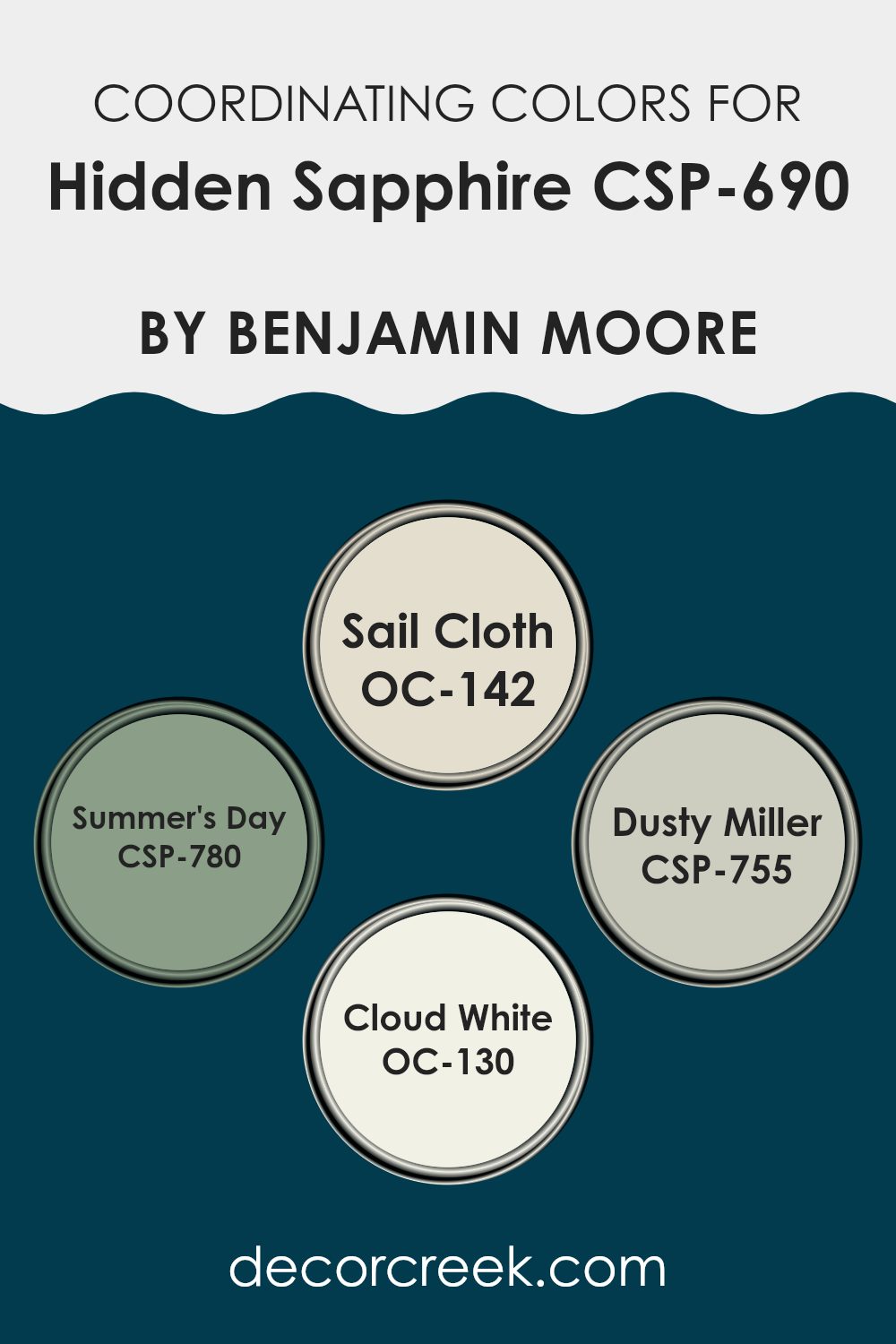
Coordinating colors are selected to enhance the overall aesthetic of a primary color by providing complementary or harmonious shades that work together smoothly. These colors can either contrast or blend smoothly with the main color, creating a balanced look within an area. Coordinating colors are often used to accent walls, trim, or as base colors for decor elements so the main color, like a vibrant shade of blue for instance, pops even more dramatically.
For example, OC-142 Sail Cloth is a warm, creamy white that brings a gentle brightness to an area, making it feel airy and open. It works beautifully to soften stronger, more vivid colors. CSP-780 Summer’s Day is a lively green with a hint of freshness, reminiscent of spring foliage. It adds a natural, earthy vibe to a color scheme.
CSP-755 Dusty Miller offers a muted gray-green hue that is understated yet distinctive, perfect for lending a calm and collected feel to an area. Lastly, OC-130 Cloud White is a clean, crisp white that provides a fresh and clear backdrop, enabling other colors to stand out more vividly. By combining these colors, each area can achieve a delightful balance and visual harmony.
You can see recommended paint colors below:
- OC-142 Sail Cloth
- CSP-780 Summer’s Day
- CSP-755 Dusty Miller
- OC-130 Cloud White
What are the Trim colors of Hidden Sapphire CSP-690 by Benjamin Moore?
Trim colors are essentially the shades used to accentuate or highlight the architectural features like doors, windows, moldings, and skirting in an area. Selecting the right trim color can significantly impact the overall appearance of a room, bringing balance and contrast that complements the main wall colors.
In the context of Hidden Sapphire by Benjamin Moore, a vivid and rich tone, using lighter trim colors can create a beautiful, striking contrast that adds depth and clarity to the area. Trim works like a frame for different elements of a room, enhancing the structural beauty and often giving a neat, finished look to the edges and boundaries within an area.
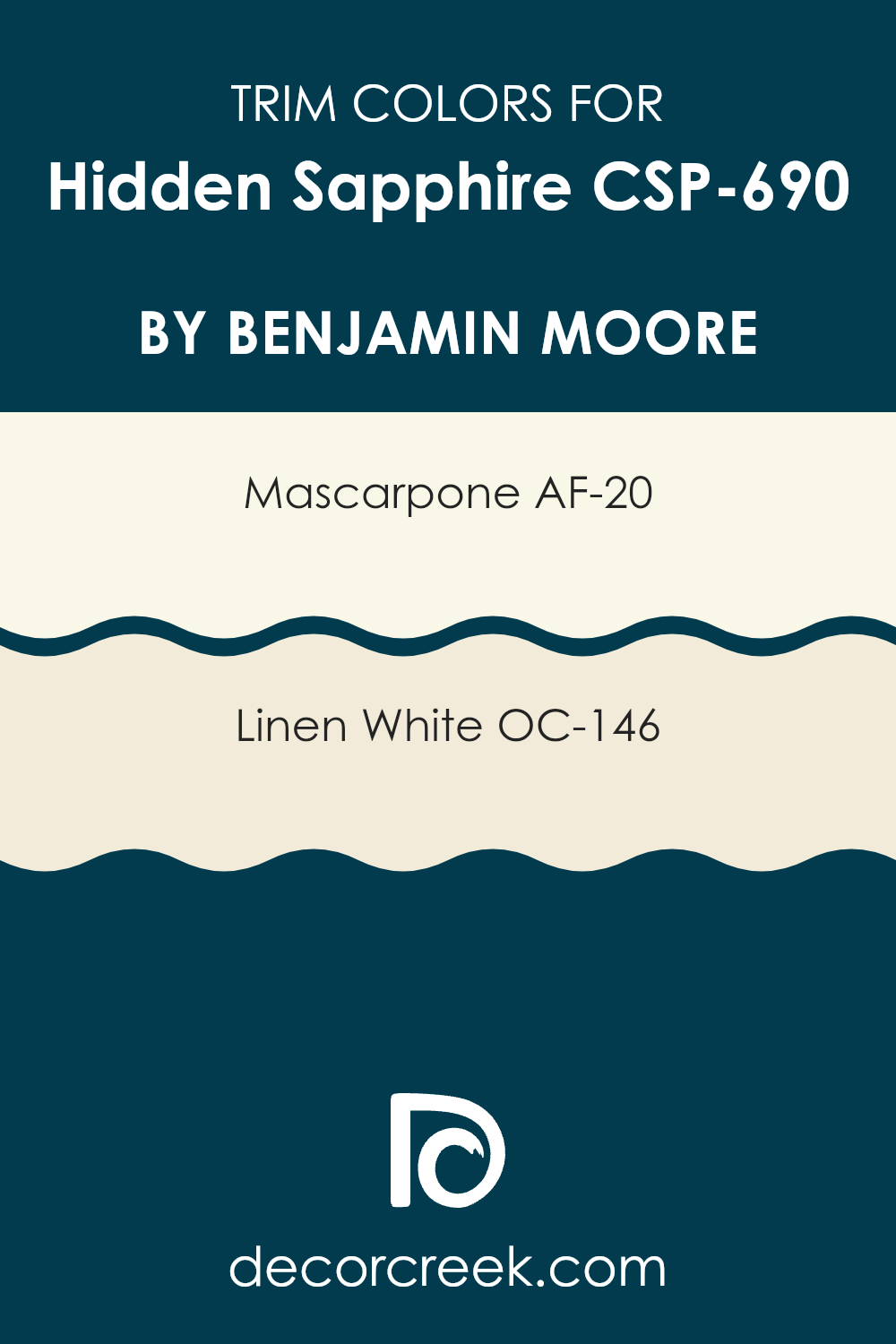
For Hidden Sapphire, colors such as AF-20 Mascarpone and OC-146 Linen White make excellent choices for trim. Mascarpone is a warm, creamy white that offers a soft but distinct contrast against deeper hues, providing a smooth transition without stark cuts. This color helps in breaking the depth of darker shades, permitting a gentle and appealing differentiation that’s neither too harsh nor too subtle.
On the other hand, Linen White is a classic, slightly off-white shade that carries a hint of warmth, suggesting an inviting and refined environment. It softly offsets stronger colors like Hidden Sapphire, ensuring the walls stand out beautifully while integrating the area’s aesthetic.
You can see recommended paint colors below:
- AF-20 Mascarpone
- OC-146 Linen White
Colors Similar to Hidden Sapphire CSP-690 by Benjamin Moore
Choosing similar colors, such as those closely related to Hidden Sapphire by Benjamin Moore, plays a crucial role in achieving aesthetic harmony and enhancing the overall mood of an area. These colors, like CSP-660 – Adriatic Sea, 2060-10 – Symphony Blue, 2059-10 – Marine Blue, and 2058-10 – Twilight, all share a common blue hue basis, yet each offers a unique shade, providing subtle depth when used together in décor. When similar shades are used in a design, they create a cohesive and pleasant visual flow, making the area feel well put together and visually appealing without overwhelming the senses with high contrast.
Adriatic Sea has a deep, rich blue tone that mirrors the depths of its namesake body of water, bringing a strong but calm presence to a room. Symphony Blue is slightly brighter with a vibrant touch that resembles a clear blue sky, perfect for adding a lively yet peaceful feel to any area.
Marine Blue tends toward the darker spectrum, akin to the deepest parts of the ocean, providing an anchor of color in sophisticated areas. Lastly, Twilight serves as a mysterious and dusky blue, reminiscent of the sky at dusk, ideal for setting a moody, subdued ambiance. Using these colors together allows for a dynamic yet harmonious palette, amplifying the area without overpowering it.
You can see recommended paint colors below:
- CSP-660 Adriatic Sea
- 2060-10 Symphony Blue
- 2059-10 Marine Blue
- 2058-10 Twilight

Colors that Go With Hidden Sapphire CSP-690 by Benjamin Moore
Colors that complement Hidden Sapphire CSP-690 by Benjamin Moore play a crucial role in enhancing the visual appeal and mood of any area. When paired correctly, these colors create a balanced and harmonious look that can make an area feel more inviting and cohesive.
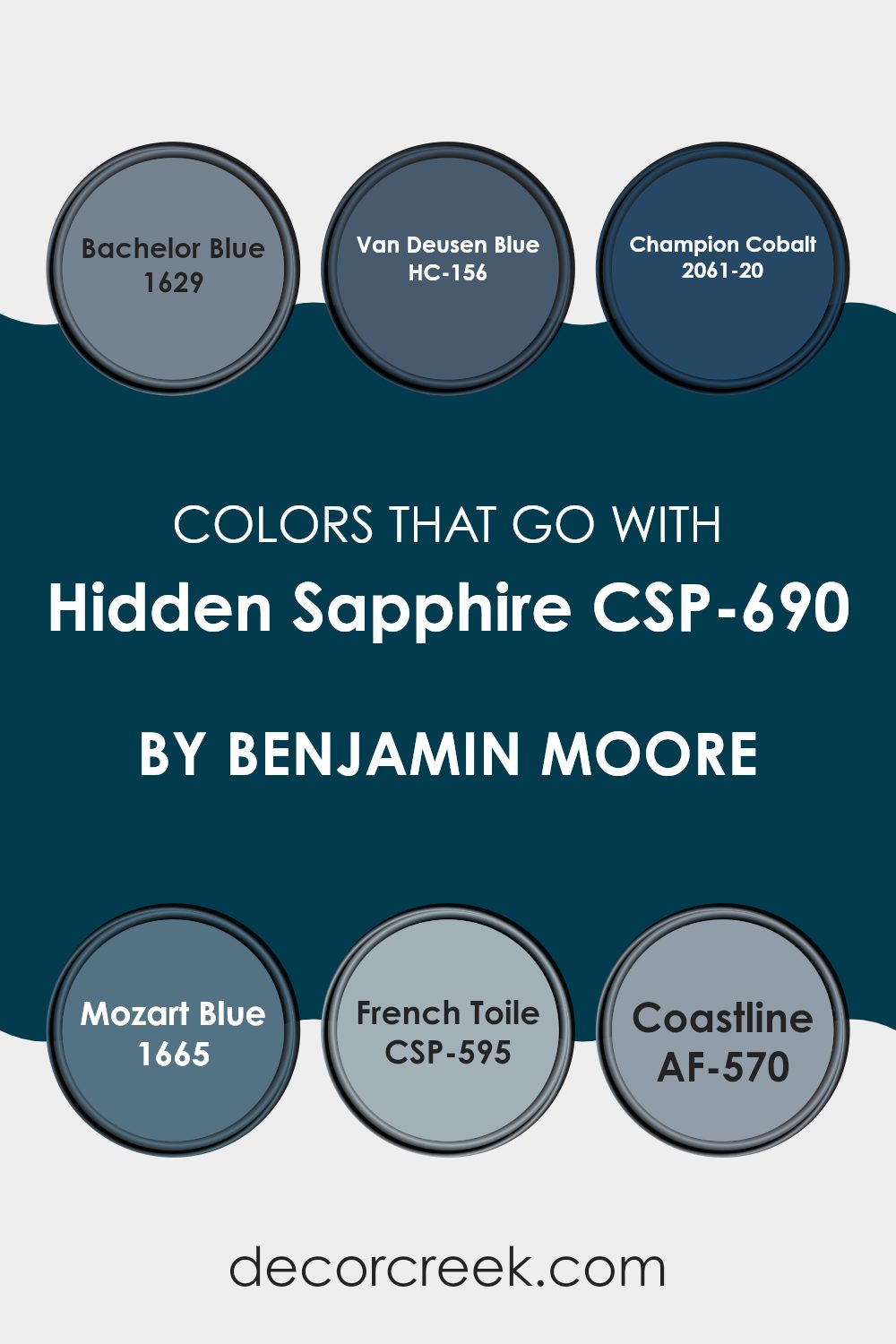
For instance, Bachelor Blue 1629 has a soft, muted quality that contrasts gently with the deeper tones of Hidden Sapphire, providing a soothing visual experience. Next, Van Deusen Blue HC-156 adds a stately air with its robust blueness, perfect for creating depth when used alongside the rich intensity of Hidden Sapphire.
Champion Cobalt 2061-20, being a true, strong blue, introduces a vivid splash that enlivens the palette, ensuring that the overall aesthetic remains dynamic and not overly subdued. Mozart Blue 1665 offers a slightly playful vibe with its lively, light-hearted blue, which keeps the area feeling fresh and lively.
On a slightly different note, French Toile CSP-595 carries a hint of gray, which harmonizes beautifully with Hidden Sapphire, offering a subtle transition between the stronger colors. Lastly, Coastline AF-570 with its airy, light blue tone offers a refreshing lift to the darker blues, ensuring the color scheme feels layered and engaging. These complementary colors, when used thoughtfully, can effectively enhance the ambiance of any area, making it more pleasant and appealing.
You can see recommended paint colors below:
- 1629 Bachelor Blue
- HC-156 Van Deusen Blue
- 2061-20 Champion Cobalt
- 1665 Mozart Blue
- CSP-595 French Toile
- AF-570 Coastline
How to Use Hidden Sapphire CSP-690 by Benjamin Moore In Your Home?
Hidden Sapphire CSP-690 by Benjamin Moore is a striking deep blue paint that can add a bold touch to any room in your home. Its rich hue makes it perfect for creating a focal point, whether you apply it to a single accent wall or use it in a smaller area like a powder room or a reading nook to bring in a sense of coziness. This color pairs well with bright whites, which can create a fresh and clean contrast, or with metallic accents, like gold or silver, to add a touch of glamour.
For those who enjoy a bit of daring in decor, Hidden Sapphire can line the back of bookshelves or cabinets, giving your furniture a pop of color that stands out beautifully against more neutral surroundings.
It’s also ideal for exterior use, like on a front door, providing a welcoming and bold entryway for visitors. Consider using this deep blue shade where you want to add some drama or where you spend time relaxing, as its dark tone also lends itself well to areas designed for unwinding.
Hidden Sapphire CSP-690 by Benjamin Moore vs Twilight 2058-10 by Benjamin Moore
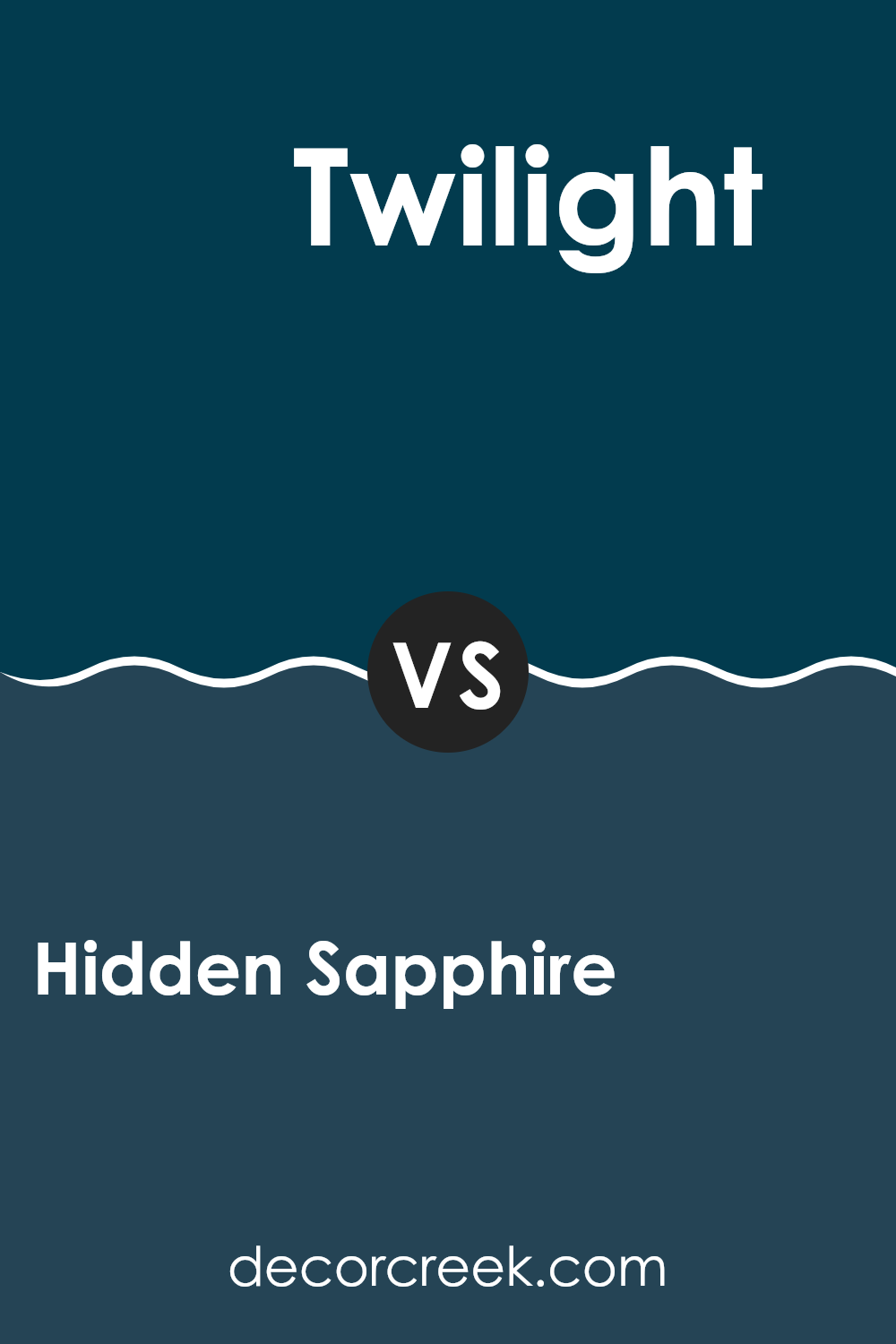
The main color, Hidden Sapphire, is a deep, rich blue with a hint of navy. It brings a strong presence to a room and can make a statement without being too much.
On the other hand, Twilight is also a deep blue, but it leans slightly more towards a traditional navy shade, making it a bit darker compared to Hidden Sapphire. Hidden Sapphire feels brighter and more vibrant, which might be more stimulating and eye-catching in an area.
Twilight, with its darker tone, can feel a bit more grounded and subtle, which could be perfect for creating a cozy, quieter feel in a room. Both colors work beautifully in areas where you want depth and interest, but the choice between the two would depend on how much emphasis or calmness you want to introduce to your area.
You can see recommended paint color below:
- 2058-10 Twilight
Hidden Sapphire CSP-690 by Benjamin Moore vs Adriatic Sea CSP-660 by Benjamin Moore
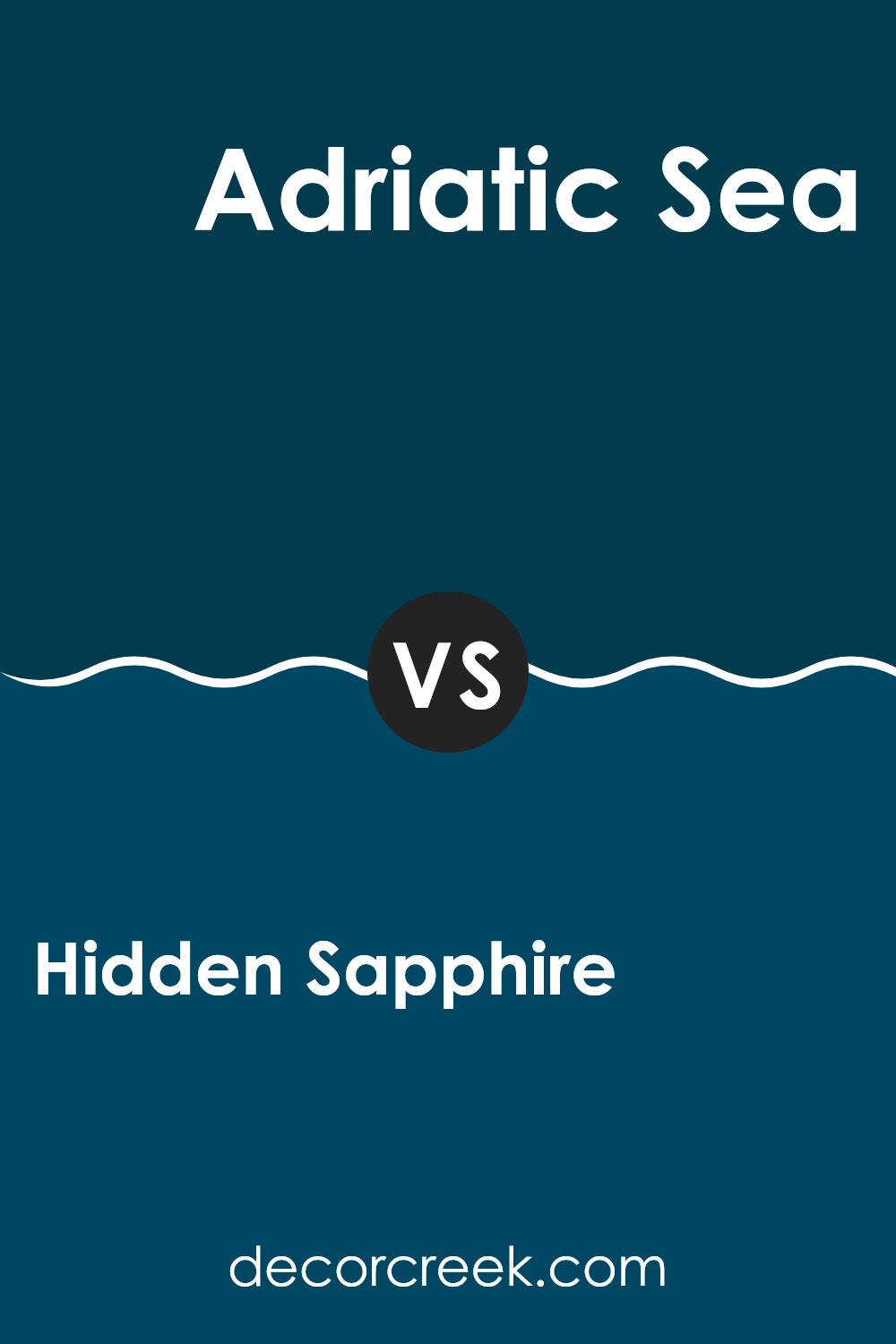
Hidden Sapphire is a rich, deep blue that effortlessly adds a sense of depth to any area. It resembles a dark, starry night and can bring a strong, bold look to your walls. This color is perfect for creating a dramatic accent in areas that need a pop or for wrapping an area in a cozy, moody atmosphere.
On the other hand, Adriatic Sea is also a blue, but it leans more towards a teal, offering a lighter, fresher vibe. This color mimics the clear, inviting waters of its namesake, making areas feel more open and airy. It’s a great choice if you’re aiming for a more vibrant, yet still soothing, aesthetic.
Both colors bring their own unique flair to the table – Hidden Sapphire leans into a deeper, more mysterious blue, while Adriatic Sea offers brightness and freshness, making them suitable for different preferences and styles.
You can see recommended paint color below:
- CSP-660 Adriatic Sea
Hidden Sapphire CSP-690 by Benjamin Moore vs Symphony Blue 2060-10 by Benjamin Moore
Hidden Sapphire and Symphony Blue, both by Benjamin Moore, are distinct shades of blue with unique qualities. Hidden Sapphire has a deep, muted tone that often resembles a dark denim or twilight sky. This color is great for creating a cozy and grounded atmosphere in an area, making it ideal for living areas or bedrooms where a calm and collected feel is desired.
On the other hand, Symphony Blue is a vibrant and striking shade. It’s much brighter compared to Hidden Sapphire, with a vividness that can energize a room. This makes Symphony Blue well-suited for areas where you want to make a bold statement, like an accent wall in a modern kitchen or a creative office area.
Both colors offer different vibes: Hidden Sapphire leans towards a subtle, muted ambiance, while Symphony Blue brings a lively and dynamic splash to interiors. Each can be paired with a variety of decor styles, from modern to classic, depending on the desired effect.
You can see recommended paint color below:

Hidden Sapphire CSP-690 by Benjamin Moore vs Marine Blue 2059-10 by Benjamin Moore
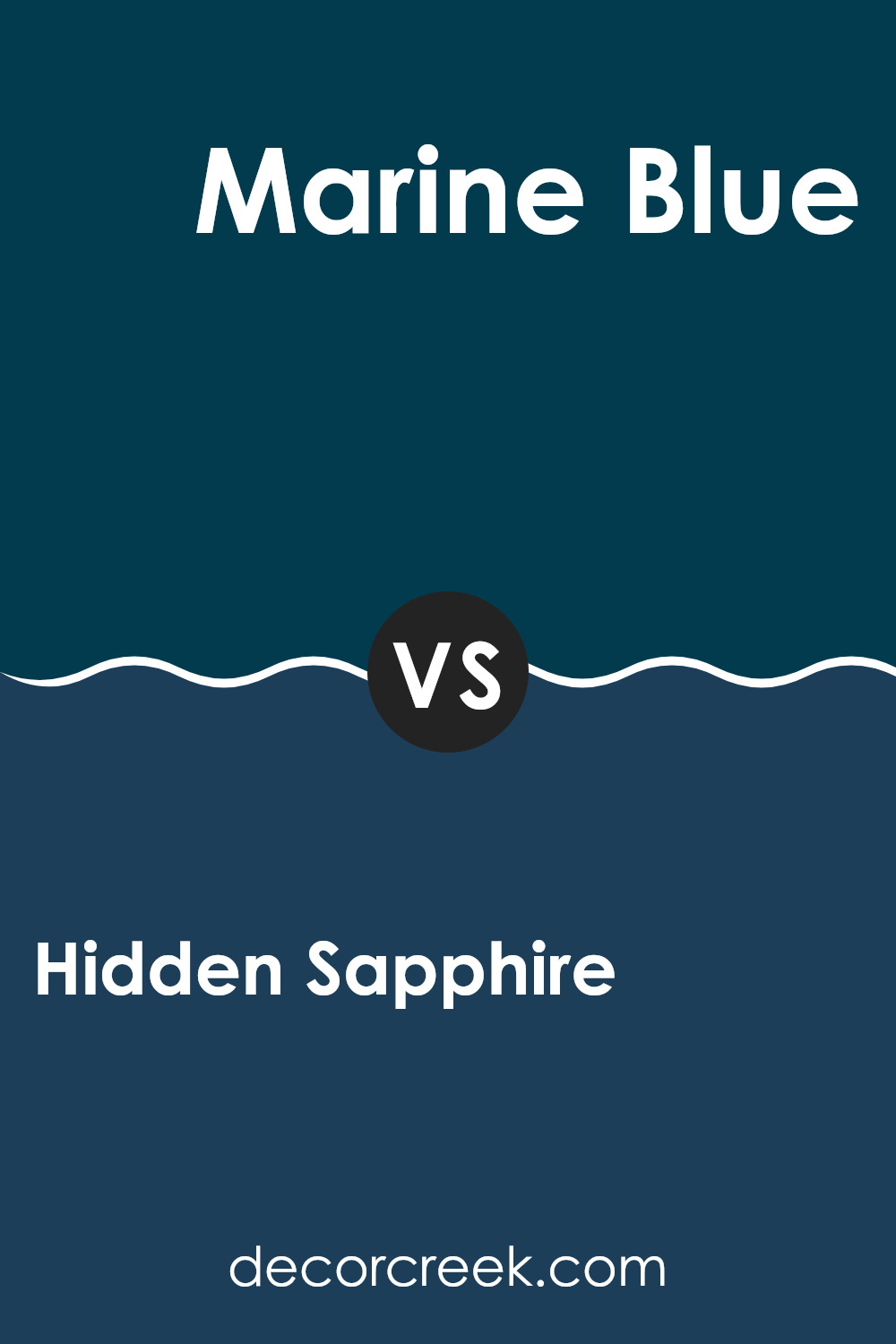
The main color, Hidden Sapphire, and the second color, Marine Blue, are both rich and vibrant choices from Benjamin Moore. Hidden Sapphire is a deep, almost mystic blue that hints at a navy tone.
It’s the kind of color that feels both cozy and profound, making it a great choice for a focal wall or an intimate area. Marine Blue, on the other hand, is a true, bold blue. It’s brighter than Hidden Sapphire and carries a vividness that pops with energy.
It would work well in an area that you want to feel lively and active, like a kitchen or playroom. Both colors bring their own unique flair to interiors, but while Hidden Sapphire might lend a more subdued and warm environment, Marine Blue brings an energetic and lively vibe. The difference in their brightness levels and the mood they set makes each suitable for different types of areas or styles.
You can see recommended paint color below:
- 2059-10 Marine Blue
After reading about CSP-690 Hidden Sapphire by Benjamin Moore, I learned a lot about this special paint color. Hidden Sapphire is a deep blue color that reminds me of the night sky or the deep ocean. It is different from other blue paints because it has a richness that makes it stand out and add a touch of beauty wherever it is used.
Using Hidden Sapphire in a room can make it feel cozy and warm, like a safe little corner. It’s especially good for areas where you want to calm down and feel relaxed, like a bedroom or a reading nook. Even though it is a strong color, it doesn’t make an area feel small or cramped. Instead, it adds a nice touch that makes the area more interesting.
I think this color works best when there’s lots of light, whether it’s from lamps or natural sunlight, so it can show its true beauty. It also looks really nice with light-colored furniture or decorations, which help to balance its deep tone.
In conclusion, Hidden Sapphire by Benjamin Moore is a beautiful and unique paint color that can make any area feel special and cozy. It’s definitely a color that brings a warm and lovely atmosphere anywhere it’s used.
Ever wished paint sampling was as easy as sticking a sticker? Guess what? Now it is! Discover Samplize's unique Peel & Stick samples.
Get paint samples